
ANAMAI’s Sallows is the kind of album you listen to either alone or with a small group of people you know well. Maybe it’s the morning, or maybe you’re not going anywhere, and you listen to Sallows because it’s calm and slow-going and cavernous. It might be a little sad, or at least it doesn’t smile much.
Most of the albums I like best are this kind of album: melancholic, airy, the embodiment of a whisper. It’s the music most natural to my disposition, made for the moods and social situations I prefer. ANAMAI pulls threads from a lot of my favorite music that operates on this tranquil wavelength: Grouper, Jessica Pratt, Marissa Nadler, Angel Olsen, Sibylle Baier, Joni Mitchell, The Weather Station. She loves Joanna Newsome and you can hear it in her voice, which is almost as high and childlike but feathers out into softer edges. Music like this facilitates intimacy, either with yourself or whoever surrounds you, and intimacy tends to scatter in large groups. I may keep up nominally with bombastic pop songs, but I can’t help but keep an observer’s distance from them. Asked to DJ a party I’m at a loss.
Sometimes I wonder about my preference for alone-time music, and alone time in general, which feels like a preference for the individual over the communal. Like all essentials, privacy can become a luxury product in large quantities. Private space is often expensive. And if I indulged my desire for privacy completely, I would be left with few human connections to speak of, like the North Pond Hermit. We loved his story because many of us get tired after we have to talk to people, and sometimes we feel like we might like to stop talking to people altogether. But giving someone your time and attention is a form of generosity, and I can’t stop doing it just because it makes me tired. That’s why I leave my apartment, or let people inside it.
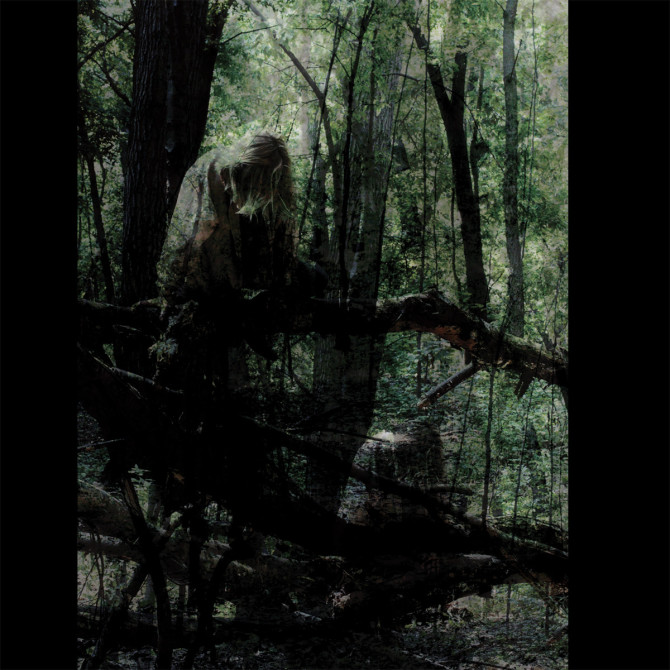
Even if I don’t want to hide in the woods forever like the North Pond Hermit, I like walking through them. Music like ANAMAI’s is the therapeutic walk through the woods I need to function alongside humanity. Because the woods are quiet, your attention amplifies all the small noises they make. Dave Psutka from EGYPTRIXX produced Sallows, and the electronic elements he added do just enough: they provide a lush space for Mayberry’s songs to move through.
Mayberry herself hardly sounds like a loner. She grew up in the Toronto folk community her parents were a part of. They often gathered to sing together, and they taught her to harmonize. When she’s not writing gentle songs for ANAMAI, she’s making raucous noise with her other band HSY. ANAMAI is only one part of her life among others.
Being alone is part of the complex equation that goes into being a person who needs other people. If I pretend like interacting with people is in no way fraught, I won’t be able to interact with them at all. Listening to Mayberry sing, “Oh, you let me down sometimes,” in the haunting opener “Lucia” lets me taste my disappointment with people. I need to hear someone sing, as she sings in “Dirt,” accompanied by gorgeously low rumblings: “Just how to love you I still don’t know how.” After I chew on these feelings, I spit them out. I try to forgive everyone and forgive myself, and sometimes it even works. I go outside and look at people’s faces and remind myself they are also tired and confused but out in the world all the same.
Sallows is out now via Buzz Records.